Trezor Login: Secure Access to Your Cryptocurrency Wallet
In the rapidly expanding cryptocurrency ecosystem, security and convenience are crucial. Managing crypto assets safely requires solutions that protect private keys from online threats while allowing seamless access to digital funds. Trezor, one of the pioneers in hardware wallets, offers an ideal solution. Trezor Login is the secure process that allows users to access their Trezor hardware wallet, interact with decentralized applications (dApps), and perform blockchain transactions without exposing private keys to the internet.
This guide explores Trezor Login in depth, covering its process, benefits, security features, and best practices.
What Is Trezor Login?
Trezor Login is the method of securely accessing your Trezor hardware wallet to manage cryptocurrency accounts, approve transactions, and interact with blockchain platforms. Unlike software wallets that store private keys on a computer or online server, Trezor keeps keys offline in a secure hardware device. This ensures that even if your computer is compromised, your crypto remains safe.
Key Features of Trezor Login:
Compatible with Trezor One and Trezor Model T
Works with Trezor Suite or supported Web3 dApps
Enables offline transaction signing
Supports multiple blockchains and thousands of tokens
How Trezor Login Works
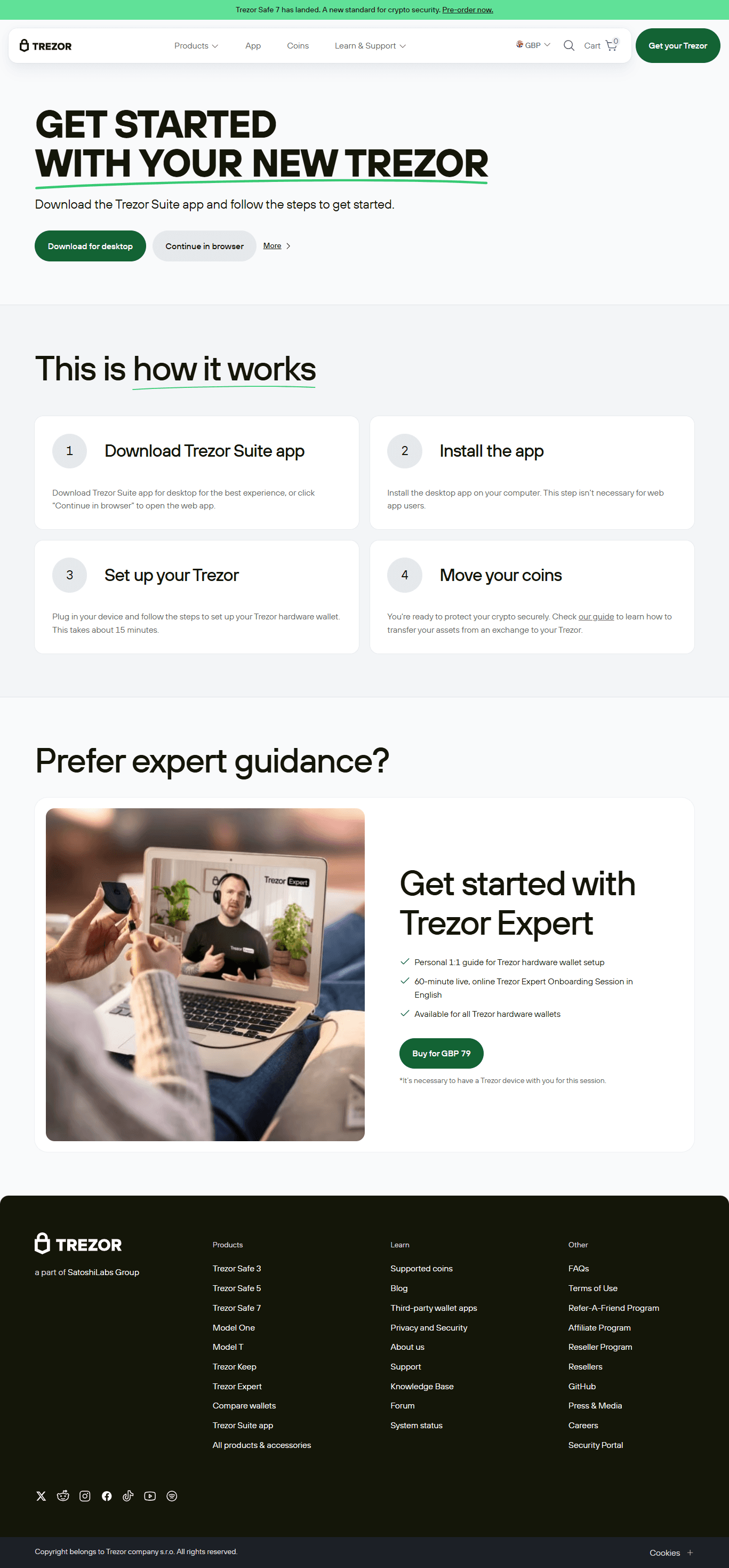
Trezor Login combines hardware-level security with user-friendly software. Here’s a step-by-step overview:
Connect Your Trezor Device
Use USB or a compatible mobile adapter to connect your Trezor wallet to your computer or mobile device.Open Trezor Suite or Supported dApp
Launch the Trezor Suite application or a Web3 platform compatible with Trezor.Unlock Your Device
Enter your PIN on the Trezor device to access your wallet.Select Your Account
Choose the blockchain account you want to manage or use.Approve Transactions
Transaction details are displayed on the Trezor device. You must manually confirm them, ensuring private keys remain offline.Access Assets and Platforms
Once logged in, you can manage cryptocurrencies, stake tokens, trade, or interact with NFTs securely.
Benefits of Trezor Login
Trezor Login provides users with unparalleled security and control over their digital assets.
1. Hardware-Level Security
Trezor stores private keys offline in a secure hardware element, making them immune to malware, phishing, and online attacks.
2. Privacy and Control
No personal information is required to log in. Transactions remain pseudonymous, giving users full control over their digital footprint.
3. Multi-Chain and Multi-Asset Support
Trezor supports a wide variety of blockchains and thousands of tokens, including:
Bitcoin (BTC)
Ethereum (ETH) and ERC-20 tokens
Binance Smart Chain (BSC)
Cardano (ADA), Tezos (XTZ), Litecoin (LTC), and more
Trezor Login allows access to all supported networks safely.
4. Web3 Integration
Trezor can connect with decentralized applications using:
Trezor Suite
WalletConnect
Browser-based dApp integrations
This enables safe trading, staking, and NFT management without compromising private keys.
5. Offline Transaction Signing
Every transaction must be confirmed directly on the Trezor device, preventing exposure of private keys to the internet.
Methods of Trezor Login
Trezor Login can be achieved in multiple ways:
1. Trezor Suite (Desktop & Mobile)
Trezor Suite is the official interface for managing Trezor wallets. Users can:
Check account balances
Swap cryptocurrencies
Stake supported assets
Manage multiple accounts
2. Web3 dApps via Browser Integration
Trezor devices can connect to supported decentralized platforms through browser extensions or dApp integrations. Users can interact with DeFi platforms, NFT marketplaces, and more while keeping private keys offline.
3. WalletConnect
WalletConnect allows Trezor users to securely connect their hardware wallet to mobile dApps without exposing keys online, extending Trezor’s functionality to mobile platforms.
Security Features of Trezor Login
Trezor’s architecture prioritizes security with multiple layers:
Offline Key Storage: Private keys never leave the hardware device
PIN Protection: Ensures only authorized users can access the wallet
On-Device Transaction Verification: Manual confirmation required for all transactions
Recovery Seed: 24-word seed phrase for wallet recovery
Firmware Updates: Regular updates to maintain security and protect against vulnerabilities
Best Practices for Trezor Login
Use Only Official Software
Access your wallet via Trezor Suite or verified dApps to avoid phishing scams.Never Share PIN or Recovery Seed
These are private credentials and should never be entered online.Keep Firmware Updated
Regular updates ensure your device is protected from new threats.Verify Transactions Carefully
Always check recipient addresses, token types, and amounts before approving on the device.Use Secure Networks
Avoid public Wi-Fi when accessing or performing transactions with your wallet.
Trezor Login for DeFi and NFTs
Trezor Login allows users to safely participate in decentralized finance and NFT platforms:
Decentralized Exchanges (DEXs): Uniswap, PancakeSwap, SushiSwap
Staking Platforms: Ethereum 2.0, Tezos, Cardano
NFT Marketplaces: OpenSea, Rarible
Cross-Chain Bridges: Secure token transfers between networks
All transactions must be signed on the device, ensuring maximum security.
Trezor Login vs Hot Wallet Login
FeatureTrezor LoginHot Wallet LoginKey StorageOffline, hardware-basedOnline, software-basedSecurityVery highVulnerable to malware and phishingTransaction SigningOn-deviceOn app or computerPhishing RiskMinimalHighMulti-Chain SupportExtensiveLimitedSuitable for Large Holdings✔ Yes✘ No
Trezor Login is the ideal solution for safely managing significant crypto holdings.
Troubleshooting Trezor Login Issues
1. Device Not Recognized
Check USB connection or mobile adapter
Try a different port or cable
2. Trezor Suite Not Opening
Update to the latest Trezor Suite version
Restart your device
3. Transaction Not Signing
Ensure correct account and blockchain network is selected
Update firmware if required
4. dApp Connection Issues
Unlock your Trezor device
Check WalletConnect or browser integration settings
Conclusion
Trezor Login is a secure, reliable, and user-friendly gateway to managing cryptocurrency assets across multiple blockchains. By combining offline key storage, on-device transaction signing, and seamless Web3 integration, Trezor ensures that digital assets remain protected while giving users full access to DeFi, NFTs, and multi-chain platforms. Whether you are a beginner or an experienced trader, Trezor Login provides a safe and efficient way to manage your crypto portfolio.